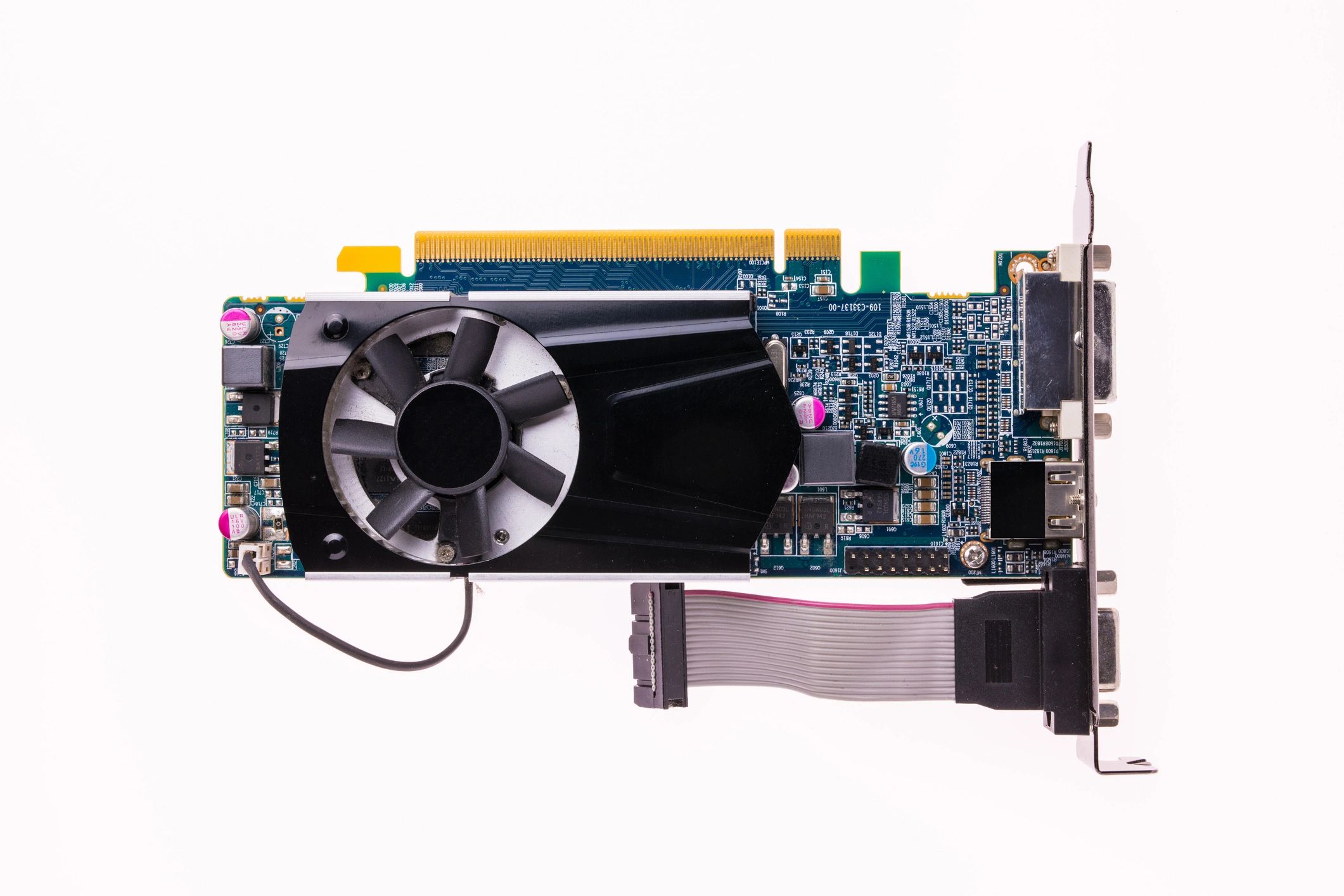
What you get
Compare the numbers that matter
Comparison paths
Start with the right GPU tier
Use this page as a launch point for side-by-side graphics card research across the price ladder, from practical 1080p options to high-end 4K hardware.


Graphics card comparison FAQs
Quick answers for shoppers comparing GPUs across performance, value, and timing.
How should I compare two graphics cards?
Start with price, target resolution, VRAM, power draw, and review trends. A faster card is not always the better value if the price gap is too wide.
Should I buy the cheapest GPU?
Not always. The lowest price can hide weaker cooling, less VRAM, or poor value compared with a slightly more expensive option on sale.
Do comparisons stay accurate over time?
They should be revisited often because pricing, stock, driver updates, and retailer promotions can change what feels worth buying.
What matters most for gaming?
Match the card to your monitor and games. For many buyers, 1080p or 1440p performance, frame consistency, and VRAM matter more than peak benchmark headlines.
Why avoid naming one permanent winner?
Because value moves. A card that wins today can lose tomorrow if another model drops in price or gets bundled in a better deal.
Can review data help beyond benchmarks?
Yes. User reviews can reveal noise, heat, coil whine, reliability, and setup issues that raw performance charts do not fully show.